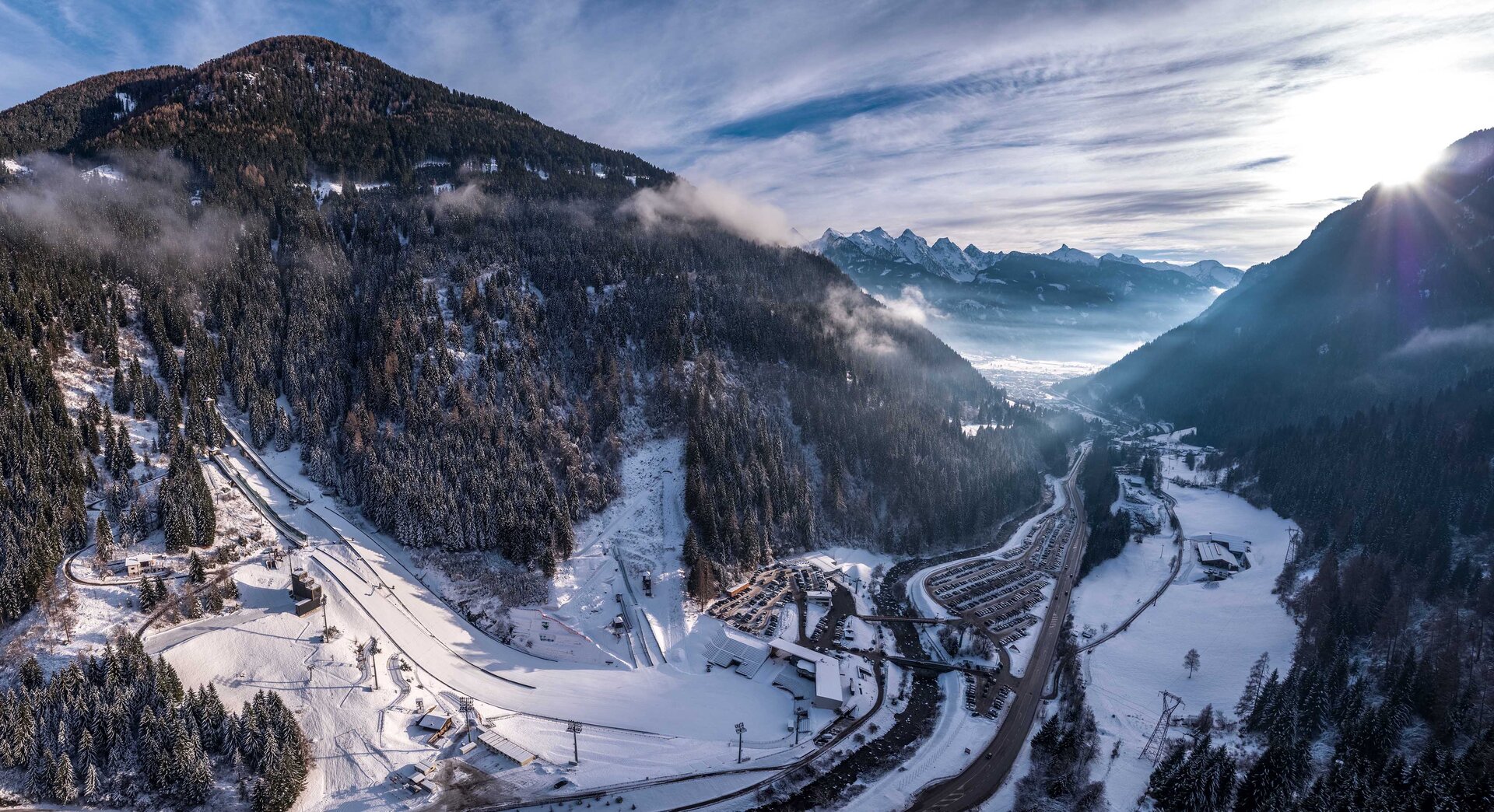
The story of the Giuseppe Dal Ben Olympic Ski Jumping Stadium is closely intertwined with the rich ski jumping tradition of Val di Fiemme. Throughout much of the twentieth century, generations of young athletes honed their skills on the valley’s snow-covered slopes, beginning on small improvised hills and later on facilities that gradually fostered the growth of the sport in the region.
From the early ski jumping hills built between the 1930s and the 1960s to the construction of the K60 and K30 hills at Stalimen in 1985, Predazzo steadily established itself as a leading destination for ski jumping. A turning point came in 1988 with the construction of a new Ski Jumping Stadium, designed to host the 1991 FIS Nordic World Ski Championships. Equipped with international-standard K90 and K120 hills, the venue welcomed a FIS Ski Jumping World Cup event in 1990 and, one year later, hosted its first World Championships, placing Val di Fiemme firmly on the international sporting stage.
Over the following decades, the stadium continued to evolve. Major upgrades were carried out ahead of the 2003 and 2013 FIS Nordic World Ski Championships, transforming the venue into an increasingly modern, efficient, and athlete-focused facility. At the same time, strong investment in youth development led to the construction and renovation of training hills, ensuring that future generations of ski jumpers would have the opportunity to train and grow in world-class conditions.
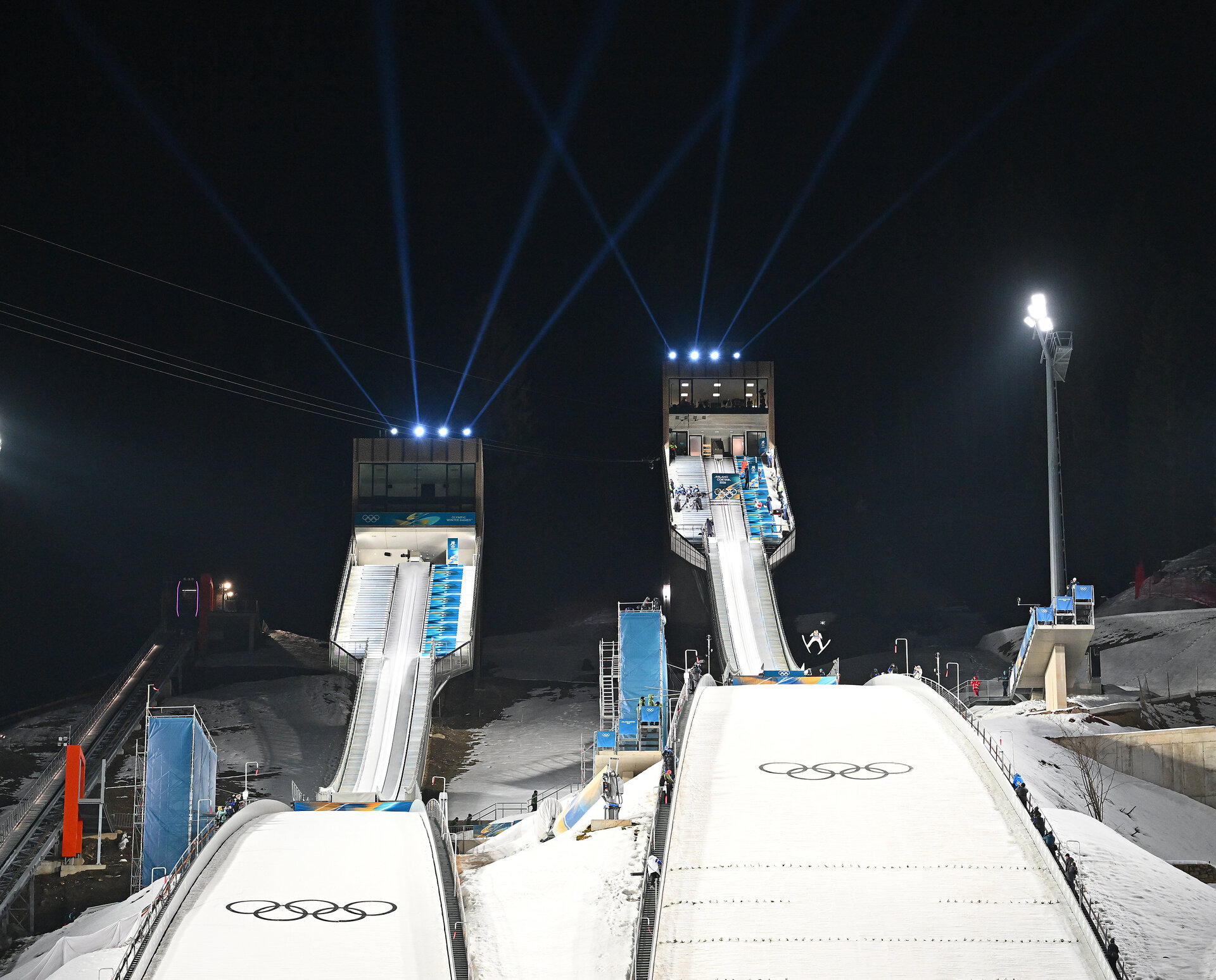
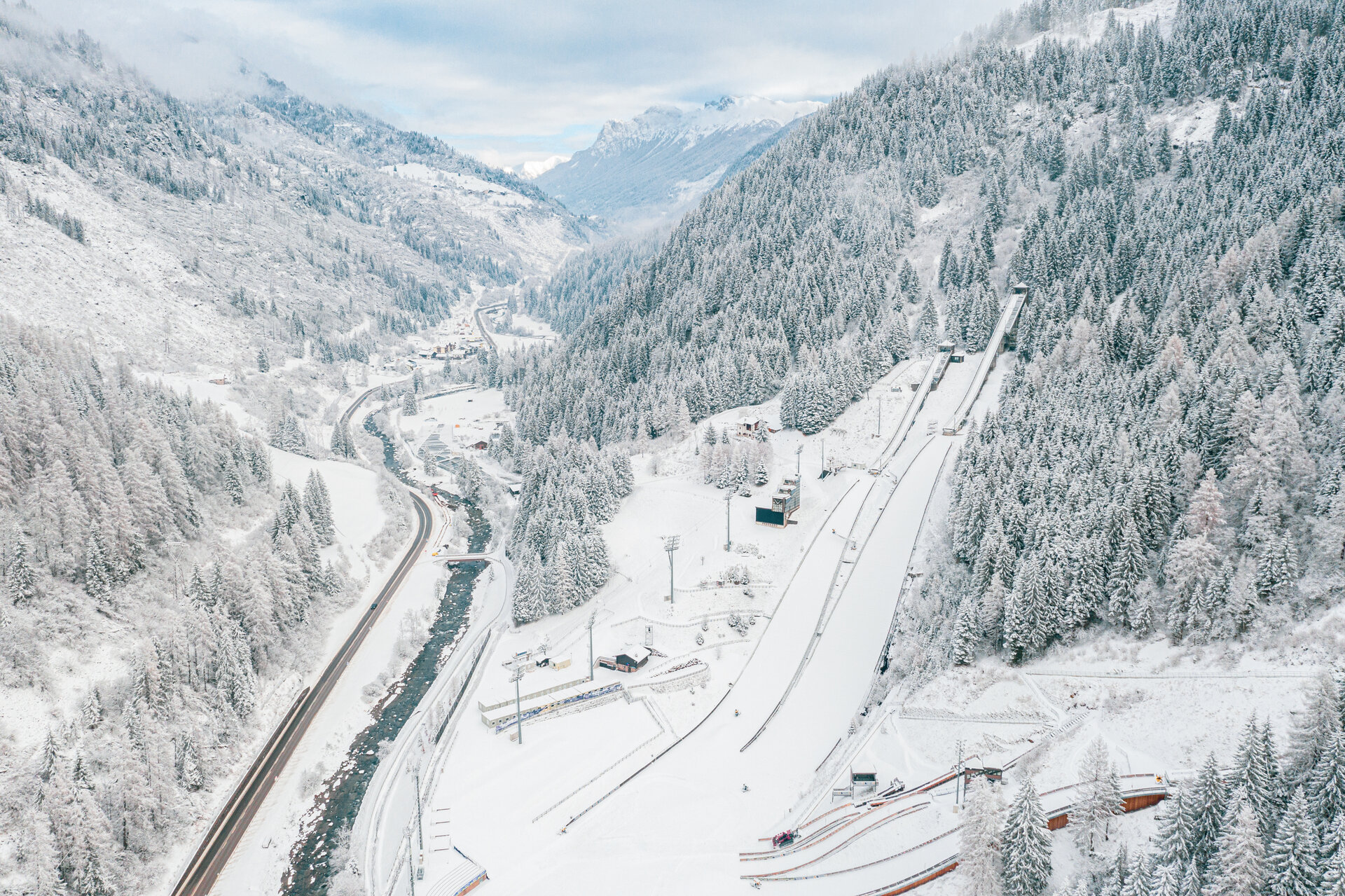
The most significant transformation came in preparation for the Milano Cortina 2026 Olympic and Paralympic Winter Games. The main ski jumping hills were completely rebuilt and upgraded to meet the highest international standards. Today, the centre features the HS141 and HS107 hills, alongside four school ski jumping hills, advanced training technologies, and innovative solutions developed in collaboration with leading research institutions.
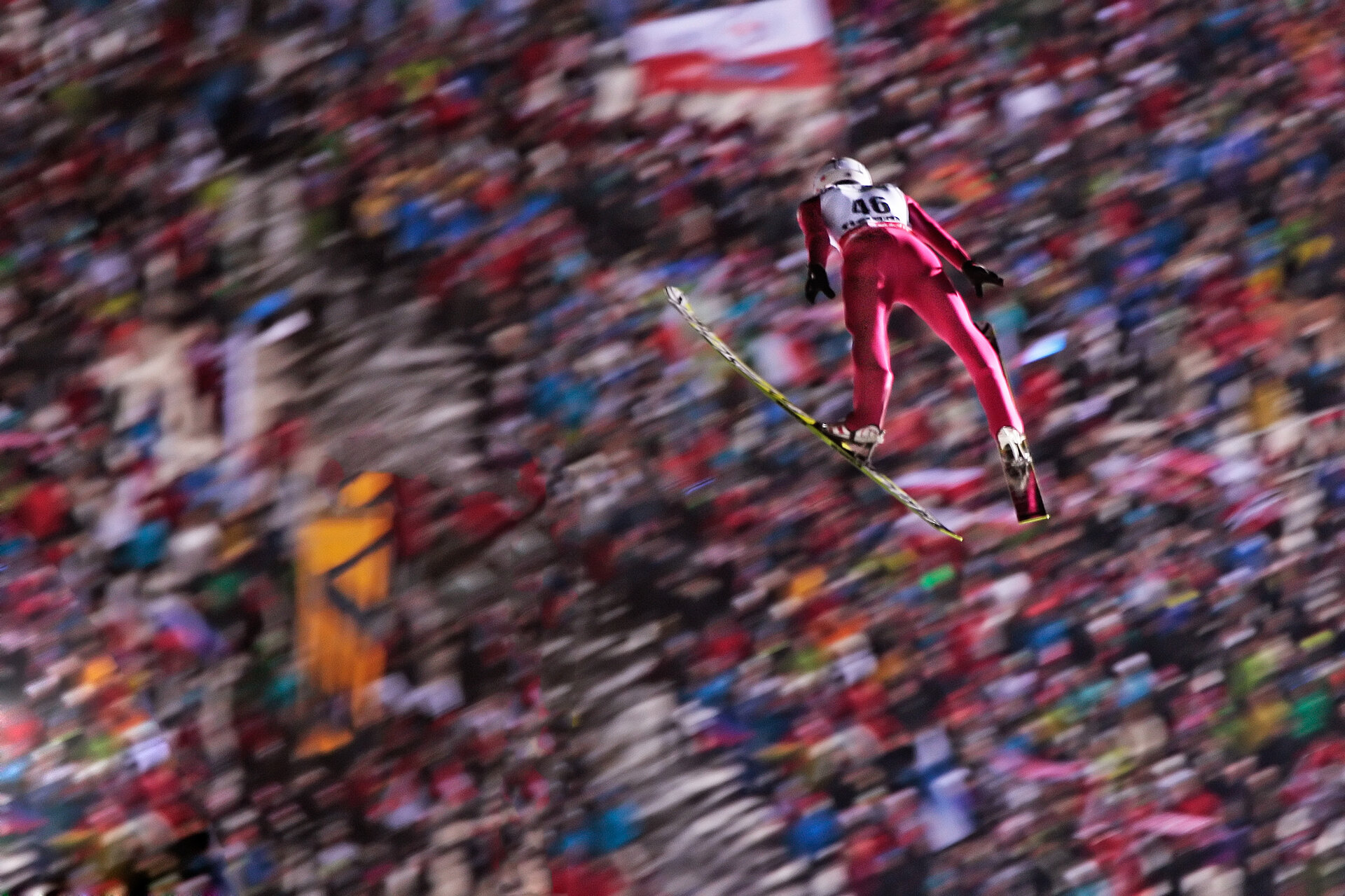
Having hosted three FIS Nordic World Ski Championships, numerous World Cup events, and the Olympic competitions of Milano Cortina 2026, the Giuseppe Dal Ben Olympic Ski Jumping Stadium stands today as one of Italy’s most iconic Nordic sports venues, a place where tradition, innovation, and sporting excellence come together, inspiring future generations and shaping the future of ski jumping.


The Predazzo Ski Jumping Stadium was further developed through finalization works, including upgrades to the landing slopes and in-run tracks. The snowmaking system was enhanced, together with the lighting infrastructure, making night ski jumping competitions even more spectacular.
Additional improvements included the construction of an underground garage for snow groomers, snowmaking equipment, and technical materials, as well as a large semi-circular grandstand composed of several spectator sections. The ski jumping hills were also upgraded to improve visibility and enhance television broadcasting quality, while new internal access routes and service connections were developed to facilitate movement within the venue.
The judges’ tower, originally built in 1991, underwent extensive refurbishment, and the surrounding green areas were redeveloped. At the same time, the snowmaking system was further strengthened, ensuring optimal competition conditions and enhancing the overall functionality of the facility.
Following the excitement and pride generated by the awarding of the Milano Cortina 2026 Olympic Winter Games, the Municipality of Predazzo immediately began planning for the future of the Ski Jumping Centre. Recognizing the condition of a facility that was approaching thirty years of operation, the local administration allocated funding for feasibility studies and redevelopment projects aimed at preparing the venue for the Olympic Games.
In 2022, demolition works began on the two main ski jumping hills and the judges’ tower, alongside improvements to the access road leading to the facility. The reconstruction of the hills was necessary both because the structures had deteriorated over three decades of use and because they needed to comply with the latest FIS standards and certifications. The judges’ tower was also redesigned and relocated further down the slope to meet modern operational requirements.
In keeping with the Olympic spirit of sustainability and legacy, equipment and materials that remained in good condition were sold or donated to other ski jumping venues. The chairlift was acquired by a local company, while the plastic landing-slope matting was shipped to Bulgaria, Slovakia, and partly to Pellizzano (Trentino), where a new HS66 hill was being developed. Sections of the in-run tracks were either transferred to Pellizzano or retained as spare parts for Predazzo’s smaller training hills, while iron stairways and protective plexiglass panels were reused elsewhere.
The redevelopment project included:
- Construction of two new ski jumping hills, HS141 and HS107, designed according to the latest international standards and technologies, positioning the venue among the most advanced ski jumping facilities in Europe and worldwide.
- Modernization of the lift system, including the installation of an inclined elevator to provide athletes with a more efficient and comfortable ascent.
- Relocation and expansion of the judges’ tower to meet updated FIS requirements and improve visibility for judges and competition officials.
- Creation of two dedicated warm-up rooms, one for each hill, offering athletes a comfortable indoor environment to prepare for competition and training regardless of weather conditions.
- Installation of new in-run tracks with ice channels, improving training quality during the autumn season and helping athletes better prepare for winter competitions.
- Implementation of advanced digital technologies to analyse jump dynamics in collaboration with CERISM in Rovereto and the University of Trento, creating a research and training environment that is almost unique in the world.
The new Ski Jumping Centre combines state-of-the-art sporting infrastructure with cutting-edge technology, establishing itself as one of the leading training and competition venues for both the Italian national team and international teams from around the world.